AI in practice
What useful AI looks like in practice.
These illustrative workflows show how AI can support specialist research, service delivery, and client relationships. Each starts with the work people need to do and keeps their judgment in the process.

EXAMPLE 01
Bring the research together.
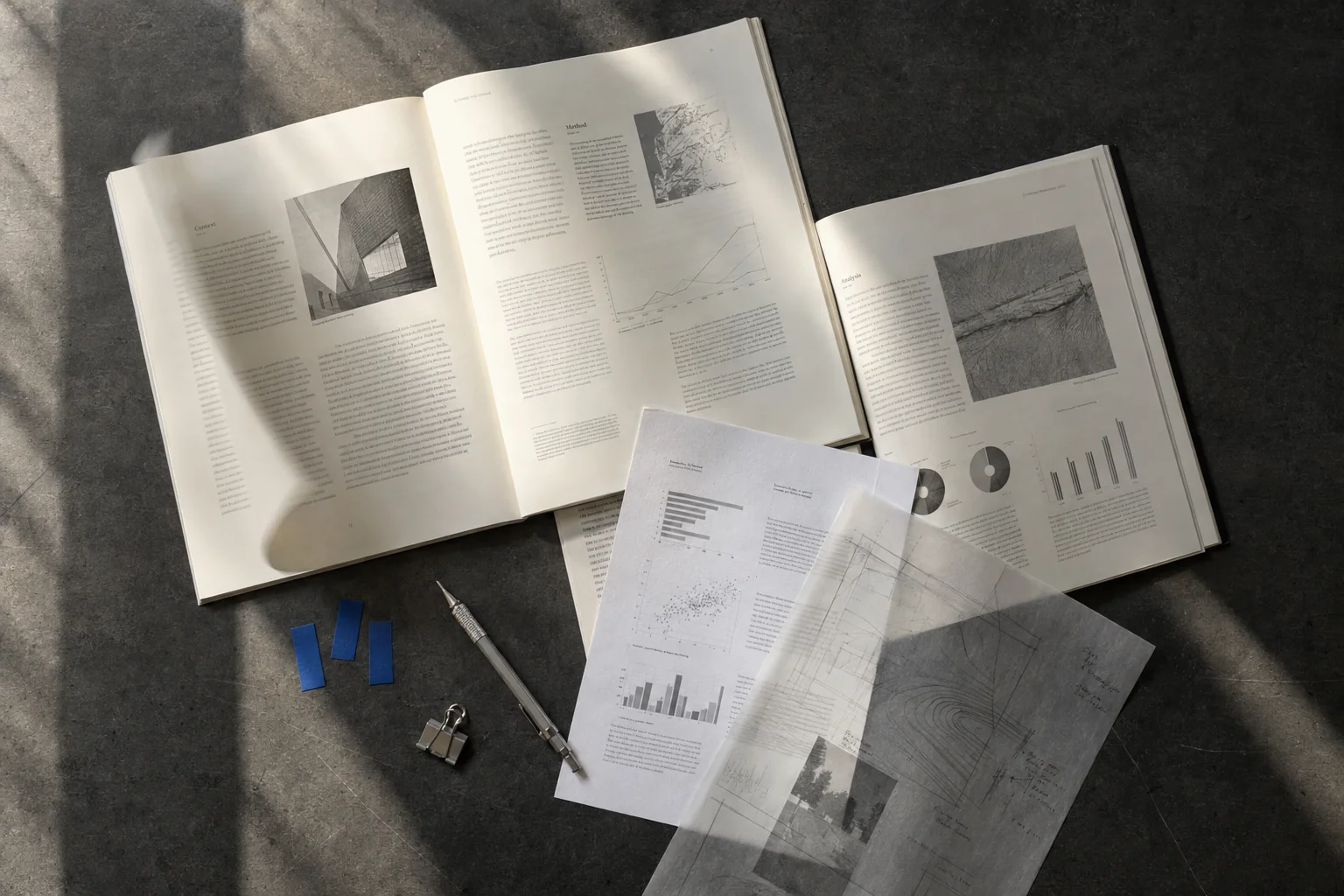
An executive compensation review draws on filings, survey data, and earlier analyses. A specialist needs to compare definitions, check sources, and understand what has changed before making a recommendation.
A research assistant can find relevant passages, prepare comparisons with source references, and flag missing information. The specialist checks the evidence and develops the recommendation.
EXAMPLE 02
Plan the day with the full picture.

A food-service schedule needs to account for demand, staff availability, locations, and training. A changed booking or absence creates another round of coordination.
A shared scheduling tool can compare expected demand with available staff and suggest assignments within agreed rules. The manager reviews changes and approves the plan.
EXAMPLE 03
Bring client context into the reply.

A question reaches a professional services or education technology team. The answer may depend on account history, product guidance, and decisions from earlier conversations.
An assistant can retrieve approved information and draft a response with its supporting sources. The team checks the context, resolves gaps, and approves the reply.
About these examples
Examples of the work, with clear measures.
These are illustrative workflow examples, not reports of client engagements or measured results.
For an engagement, we agree a baseline and the measures that will determine whether the system is useful. Results depend on the workflow, the data, and adoption by its users.

What’s holding your business back?
A workflow ready for automation. An AI product you want to build. A problem that has sat on the roadmap for years. Let’s talk about what it would take to solve it.
Talk to Zaigo