AIA Billing
AIA billing without the pay-app day.
We encode the billing rules that live in someone’s head — retainage, stored materials, change-order sequencing — so the G702/G703, the AIA invoice, assembles itself.
Built with the leading AI platforms

 NVIDIA
 Anthropic



The broken Friday
Pay-app day is assembly work, not billing work.
From contractors we have sat with: general contractors and specialty subs between $10M and $100M, billing against owner contracts, with every rule carried in one person’s head.
The billing-day scramble
Every pay application is assembled by hand from job-cost exports and email — schedule of values carried forward, G703 re-keyed line by line. A full Friday, every cycle.
Change orders approved in the field, missing from the pay app
The work got a verbal yes, but the change order never reached the schedule of values. The money sits unbilled until someone reconciles the log — eventually.
Retainage in a side spreadsheet
Retainage lives outside the accounting system, in a spreadsheet whose release conditions nobody checks systematically. At closeout, collecting it means reconstructing the job’s history by hand.
The rules walked out the door
Every contract’s quirks — stored-materials invoices, change orders billed as separate lines — lived in one person’s head. She left; nobody has checked a pay app against the contract since.
Stored-materials evidence, chased by phone
The pay app stalls on backup not in the office: supplier invoices, insurance certificates, photos of material in the laydown yard. Billing waits; the deadline does not.
What manual costs
The lost Friday is a line item, not a feeling.
What billing day looks like at a contractor running on spreadsheets and memory. Your numbers will differ — the first contract we encode puts figures on yours before the rest get built.
From anonymized engagements — general contractors and specialty subs, $10–100M in revenue
How it works
We encode your exceptions.
No new system for your team to learn. The billing rules your best person carries in their head become the pay app.
- 01
Encode one contract’s billing rules
We write down one contract’s rules end-to-end: retainage terms, stored-materials evidence, change-order sequencing, the owner’s format. The tribal knowledge becomes a written rule set — yours to keep.
- 02
Generate the pay app from job data
The G702/G703 assembles itself from live job-cost data — schedule of values carried forward, retainage computed, stored materials evidenced, change orders sequenced. The rest lands in an exception queue.
- 03
Onboard every contract
Each owner, each contract, each format gets its rule set. Your team reviews flagged exceptions and approves the batch. The Friday before billing is just a Friday.
The software holds the data. It doesn’t hold your billing rules.
Construction accounting suites hold the job-cost ledger; off-the-shelf templates format the forms. Neither holds the judgment: this owner’s retainage terms, that architect’s evidence requirements, the change-order sequencing your PM negotiated.
We encode your billing rules; our AI reads the job data you already keep against them. The pay application assembles itself, exceptions come to a human, and the software keeps doing what it was good at — holding the data.
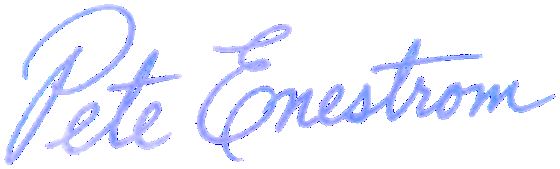
Led by Peter Enestrom.
Questions
Asked by controllers and owners.
The straight answers, before you book anything.

What’s holding your business back?
A workflow ready for automation. An AI product you want to build. A problem that has sat on the roadmap for years. Let’s talk about what it would take to solve it.
Talk to Zaigo