RFP Response01

AI RFP response built on your own past wins.

We encode your answer library and your rules for using it, so each RFP comes back as a reference draft your partners approve, not write.

  • AI implementation services
  • Your answer library, encoded
  • Questions matched to past wins
  • A human approves every section

Official services partner of the platforms defining AI

NVIDIAAnthropic
Peter Enestrom, founder of Zaigo

Every engagement is led personally by Peter Enestrom and the Zaigo AI & engineering team

YaleColumbia UniversityMicrosoft
The broken Friday01

The answer exists. Nobody can find it.

From firms we have sat inside: COOs, managing partners, and bid-team leads at boutique professional-services firms — not shopping for software, drowning between the RFP landing and the partner review.

  • $50–70K of senior time per response

    Each RFP response burns an estimated $50–70K of senior consultant time; past RFPs and slide decks are re-used by hand.

  • Past answers mined by hand

    Consultants dig through shared drives for past RFP responses and case studies, matching new questions to old answers manually.

  • The narrative sections are the time sink

    Data-driven exhibit slides already pull from vendor data into templates. The narrative sections are where the senior hours go.

  • The cost is the pain, not the pipeline

    The win rate does not justify the effort, and RFPs are invitation-only so volume cannot grow — the pain is cost per response.

  • The knowledge is in the building, not the room

    Which answers won last time lives in old proposals and a few heads. The named failure mode: the answer exists and nobody can find it.

What manual costs02

Every response rebuilds answers you already own.

What the manual way looks like at a professional-services firm whose answer library is a shared drive and a few memories. Your numbers will differ — the first response we cost puts figures on yours before anything gets built.

$50–70KSenior-staff time one boutique consultancy estimates it burns per RFP response
Invitation-onlyHow RFPs arrive — so the cost per response is the lever, not volume
~50 peopleThe mined firm’s size — institutional knowledge locked in old proposals, reused by hand

From anonymized engagements — boutique professional-services firms and bid teams

The RFP response process03

We encode your answer library.

No new platform for your team to adopt. The answers your firm already wrote become the draft; your partners review instead of write.

  1. 01

    Cost one honest RFP

    Pull your last three responses and count the partner hours. Find which sections were rebuilt from scratch that already existed somewhere.

    Weeks 1–2
  2. 02

    Encode the answer library

    Past RFPs, decks, and case studies indexed, with your rules on top: which answers are current, which claims need sign-off, what is off-limits.

    Yours to keep
  3. 03

    New RFP in, reference draft out

    Questions extracted, matched to prior answers and slides, assembled for partner review. Anything unmatched lands in an exception queue.

    Every RFP
Not a platform seat

Every tool on page one ships with an empty library.

The software organizes the hunt — it does not know which of your past answers won. You still supply every answer yourself, one seat at a time.

Our AI does the reading — every past RFP, answer, and deck in your shared drives; your encoded rules do the judging — what is current, what needs a partner’s eyes.

In production
Reference draftWhat a new RFP comes back as — built from your own past wins, not a blank page
Exception queueWhere an unmatched question lands — reviewed by a person, never guessed
Partner reviewA human approves every section before the draft leaves the building
Match new RFP questions to past answers and assemble a draft deck.
Partner, boutique professional-services firm — anonymized client call
Peter Enestrom, founder of Zaigo
Who builds it

Led by Peter Enestrom.

Founder — leads AI & Engineering

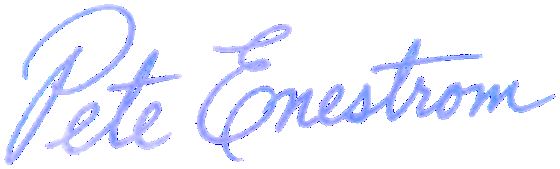
Pete Enestrom

Every engagement is led personally by Pete, working with the Zaigo AI & engineering team from the two-week audit through the production handover. The person who scopes the work is the person who builds it.

Education
Yale & ColumbiaGraduate
Background
Microsoft & IntelFormer
Experience
Exited FounderVenture-Backed

Background

Questions04

Asked by COOs, partners, and bid-team leads.

The straight answers, before you book anything.

Answer honestly from your own timesheets: pull the last three responses and count the senior-staff hours, section by section. One professional-services firm we work with estimates $50–70K of senior-staff time per response — most of it spent rebuilding answers that already existed somewhere in the building.

Yes, with structure. The system extracts the questions from the new RFP, matches each one against your indexed past answers and slides, and assembles a reference draft. A human approves every section before anything leaves the building — anything unmatched lands in an exception queue for a person, not a guess.

An AI RFP tool is software that reads an incoming RFP and helps draft answers, usually by generating text or retrieving from a library you load into it. The category’s catch is the empty library: the tool ships knowing nothing about your firm, so you still supply every answer. Encoding your own answer library first is what makes the draft worth reviewing.

RFP software rents you a seat with an empty library — it organizes the hunt, but every answer still comes from your team’s memory and shared drives. Encoding your answer library indexes the past RFPs, decks, and case studies you already own, with your rules on top: which answers are current, which claims need partner sign-off, and what never leaves the building.

Partners should judge and the system should fetch. In most firms the most senior people do the retrieval — hunting past answers across shared drives — because the knowledge lives in their heads. Once the answer library is encoded, partners spend their hours approving sections instead of searching for them.

Start with one workflow.

Tell us where your team loses hours. We will come back with a straight answer on whether AI can help, what it would take, and what it would pay.